Flight Dispatcher Job Opportunities: A Complete Career Guide
If you are fascinated by aviation but not interested in becoming a pilot, exploring flight dispatcher job opportunities might be the perfect path. A flight dispatcher plays a serious role in ensuring that every flight is safe, efficient and compliant with regulations.
From planning flight routes to monitoring weather conditions, dispatchers are essentially the “ground-based co-pilots” who help airlines run smoothly. In this guide, we will break down everything you need to know about becoming a flight dispatcher, career prospects, salary expectations and how to get started.
What is a Flight Dispatcher?
A flight dispatcher, also known as an airline dispatcher or flight operations officer, is a licensed professional responsible for planning and monitoring flights. They work closely with pilots and airline operations to make sure every journey is safe, fuel-efficient and legally compliant.
Key Responsibilities
- Creating flight plans based on aircraft performance, fuel requirements and regulations.
- Monitoring weather conditions, air traffic and route restrictions.
- Communicating with pilots before and during flights.
- Adjusting plans in case of emergencies or operational challenges.
- Ensuring compliance with aviation authorities such as the FAA (Federal Aviation Administration) or EASA (European Union Aviation Safety Agency).
Why Flight Dispatchers Are Essential
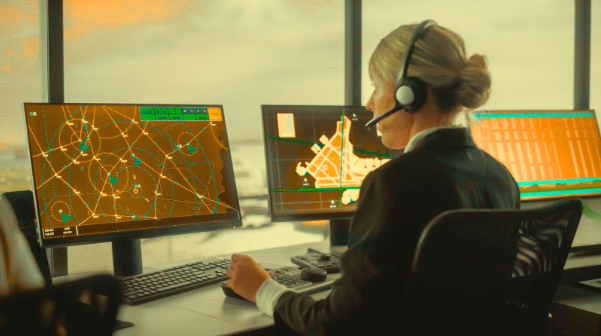
Passengers often think only of pilots when it comes to flight safety. However, flight dispatchers are equally vital. Without them, airlines would struggle with safe scheduling, regulatory compliance and efficient route planning. Dispatchers essentially balance safety with economics, ensuring that airlines save costs while keeping passengers secure.
Flight Dispatcher Job Opportunities in Today’s Market
The aviation industry is constantly expanding and with it, the demand for skilled dispatchers is growing. Airlines worldwide need qualified professionals who can take on these responsibilities.
Industries That Hire Flight Dispatchers
- Commercial Airlines Major and regional carriers.
- Cargo Airlines Logistics companies like FedEx, UPS and DHL.
- Private Jet Operators Business aviation firms.
- Charter Services Tour operators and air taxi services.
- Government & Military Defense and civil aviation agencies.
- Corporate Aviation Companies with in-house flight departments.
Career Growth Potential
A career as a flight dispatcher can lead to various opportunities:
- Senior dispatcher roles.
- Operations manager or supervisor.
- Airline operations director.
- Safety and compliance officer.
- Training instructor for dispatch licensing programs.
Skills Required to Succeed as a Flight Dispatcher
Flight dispatching is not just about following checklists. It requires a mix of technical knowledge and soft skills.
Core Competencies
- Strong analytical and problem-solving skills.
- In-depth knowledge of aviation regulations.
- Proven ability to handle stressful situations and respond with quick judgment.
- Proficiency with flight planning software.
- Excellent communication skills for pilot and operations coordination.
- Attention to detail and situational awareness.
Educational Requirements & Licensing
Step 1: Basic Education
The minimum requirement for most employers is a high school diploma or its equivalent.However, having a bachelor’s degree in aviation, meteorology or air traffic management can give you an advantage.
Step 2: Flight Dispatcher Training Program
Prospective dispatchers must complete an FAA-approved (or relevant local authority-approved) training program. These courses usually last 5–6 weeks full-time or several months part-time.
Step 3: Certification Exam
In the U.S., candidates must pass the FAA Aircraft Dispatcher Knowledge Test followed by a Practical Test. Similar licensing exams exist in Europe, Canada and Asia.
Step 4: On-the-Job Training
New hires typically undergo several months of supervised training before becoming fully responsible dispatchers.
Salary Expectations for Flight Dispatchers
Average Salary by Region
| Region | Average Annual Salary |
| United States | $50,000 – $95,000 |
| Canada | CAD 55,000 – CAD 80,000 |
| Europe | €40,000 – €70,000 |
| Middle East | $60,000 – $100,000 |
| Asia | $35,000 – $70,000 |
Factors That Influence Pay
- Experience Senior dispatchers earn significantly more.
- Airline Size Major carriers offer higher salaries compared to regional airlines.
- Shift Patterns Night shifts or high-stress positions may come with additional allowances.
- Location Dispatchers in regions with pilot shortages often command higher wages.
Flight Dispatcher vs. Air Traffic Controller: What’s the Difference?
Many confuse these two roles but they are quite distinct:
| Aspect | Flight Dispatcher | Air Traffic Controller |
| Work Location | Airline operations center | Control tower or radar facility |
| Main Focus | Flight planning, pre-flight & in-flight monitoring | Directing aircraft in real time airspace |
| Authority | Shares legal responsibility with the pilot | Full authority over aircraft separation and safety in airspace |
| Work Hours | Shift-based but often office environment | High-stress, fast-paced airspace management |
Challenges Flight Dispatchers Face
While the job is rewarding, it comes with challenges:
- Working in a high-pressure environment with time-sensitive decisions.
- Irregular schedules, including nights, weekends and holidays.
- Handling weather disruptions, emergencies and last-minute route changes.
- Staying updated on ever-changing aviation regulations.
Benefits of a Flight Dispatcher Career
Despite challenges, this career offers unique advantages:
- High job security due to global aviation growth.
- Opportunities to work for prestigious airlines worldwide.
- Attractive salaries and travel perks.
- The satisfaction of contributing to aviation safety.
How to Land Flight Dispatcher Job Opportunities
Breaking into the aviation industry requires strategy and persistence.
Step-by-Step Guide
- Complete the required education and licensing.
- Build a strong resume highlighting aviation knowledge and technical skills.
- Network with industry professionals through aviation forums and LinkedIn.
- Apply to regional airlines first, as they often hire new dispatchers.
- Stay updated with job boards such as Avjobs, Indeedand airline career portals.
- Continue professional development by attending aviation safety workshops.
💡 Pro Tip: Use our tool to prepare customized aviation resumes and cover letters that stand out to recruiters.
Future of Flight Dispatcher Careers
With advancements in technology, dispatchers now use AI-driven tools for predictive weather monitoring, real-time data analysis and route optimization. However, human judgment remains irreplaceable. The International Air Transport Association (IATA) predicts global air traffic will double by 2040, meaning job opportunities will expand significantly.
Frequently Asked Questions (FAQs)
1. What qualifications do I need to become a flight dispatcher?
You need a high school diploma or higher, complete an approved dispatcher course and pass a licensing exam such as the FAA dispatcher certification.
2. How long does it take to become a certified flight dispatcher?
Training typically takes 5–6 weeks full-time. Including exam preparation and on-the-job training, the full process can take 6–12 months.
3. Is being a flight dispatcher stressful?
Yes, the job can be high-pressure since decisions affect passenger safety and airline schedules. However, with training and experience, most dispatchers manage stress effectively.
4. Do flight dispatchers fly with the crew?
No, they usually work from operations centers. However, they may occasionally take flights for training or operational reasons.
5. Can a flight dispatcher become a pilot?
Yes, many dispatchers transition into pilot training since they already understand aviation operations.
6. What’s the difference between a flight dispatcher and an airline scheduler?
A scheduler focuses on crew and aircraft assignments while a dispatcher handles safety, flight planning and in-flight monitoring.
7. Are flight dispatcher jobs available worldwide?
Yes, airlines, charter companies and government agencies worldwide employ dispatchers, though licensing requirements vary by country.
8. Do dispatchers have legal responsibility for flights?
Yes, in the U.S. and many other countries, dispatchers share legal responsibility with the pilot-in-command.
9. What kind of shifts do dispatchers work?
Most work rotating shifts, including nights, weekends and holidays, to cover 24/7 airline operations.
10. Is the career future-proof with automation coming?
Automation supports dispatchers but cannot replace their decision-making. Human expertise will remain essential in aviation operations.
Conclusion
A career in flight dispatcher job opportunities offers stability, growth and the excitement of working in aviation without being a pilot. From planning routes to ensuring safety, dispatchers play a crucial behind-the-scenes role in global travel. With growing demand and competitive salaries, this is a rewarding career path for those who love aviation and thrive under responsibility.
If you are ready to start your journey, explore training programs, polish your resume and apply strategically. And don’t forget our tool can help you create tailored applications that give you a competitive edge.
- Hidden Airline Fees
- Hotels
- How Long Is A Flight To New York From London A Complete Travelers Guide
- How To Find The Cheapest Flights Worldwide
- How To Use Google Flight
- How To Use Google Flight Like A Pro