Loyalty Programs That Improve Price Outcomes
Businesses today face fierce competition and winning customer loyalty has never been more valuable. One of the most effective tools to achieve this is through loyalty programs. These programs go beyond just rewarding repeat purchases they can directly improve price outcomes by influencing buying behavior, increasing retention and reducing reliance on deep discounts.
When implemented strategically, loyalty initiatives create a balance where customers feel they receive more value while companies maintain or even raise profitability. Let’s explore how loyalty programs achieve this transformation.
What Are Loyalty Programs?
A loyalty program is a brand’s way of saying “thank you” by encouraging repeat purchases. Shoppers usually earn points, discounts or special benefits each time they buy.
Unlike one-time promotions, loyalty programs build long-term relationships by providing customers with incentives that extend beyond the immediate price tag.
These programs come in many forms:
- Points-based programs let customers earn points on purchases and redeem them for future rewards.
- Tiered programs – Levels of benefits based on loyalty status (e.g., Silver, Gold, Platinum).
- Cashback offers – A portion of the purchase is returned as store credit or real money.
- Subscription-based loyalty – Paid memberships with ongoing perks.
How Loyalty Programs Improve Price Outcomes

The phrase “improve price outcomes” refers to a business’s ability to sustain or enhance profitability while keeping customers satisfied with the value they receive. Loyalty programs accomplish this through multiple pathways.
1. Encouraging Repeat Purchases
Customers enrolled in loyalty programs are more likely to return, even if prices are slightly higher than competitors. A sense of accumulated value—like earning points or unlocking rewards—outweighs the desire to shop around solely for price.
2. Reducing Price Sensitivity
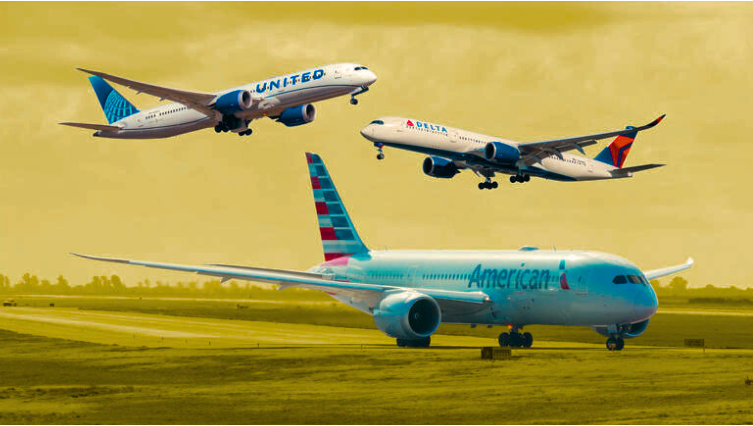
A well-designed loyalty program reduces the customer’s focus on price comparison. For example, airline miles encourage travelers to book with the same airline, even if ticket costs are slightly higher. The perceived value of accumulating points outweighs the marginal price difference.
3. Increasing Average Order Value (AOV)
When shoppers see they are almost at the finish line for a reward, they are more likely to add a little extra to their purchase. For example, grocery loyalty programs may push shoppers to buy additional items to cross thresholds for discounts or bonus points.
4. Lowering Discount Dependency
Instead of constantly offering blanket discounts, loyalty programs let businesses selectively reward loyal customers. This approach helps maintain profit margins while still delivering perceived savings to consumers.
5. Enhancing Customer Lifetime Value (CLV)
The longer customers stay engaged with a loyalty program, the higher their lifetime value becomes. Over time, this creates a compounding effect where customer retention improves overall profitability.
The Psychology Behind Loyalty Programs and Pricing
Understanding why loyalty programs improve price outcomes requires looking at human behavior:
- Loss Aversion: Customers don’t want to lose accumulated points or tier status, so they continue buying.
- Endowed Progress Effect: When programs give customers a “head start,” such as bonus points at sign-up, they are more motivated to complete the reward journey.
- Exclusive Access: Tiers and members-only discounts create a sense of privilege that justifies paying slightly more.
By aligning psychological triggers with business goals, loyalty programs subtly shift how customers perceive price.
Types of Loyalty Programs That Improve Price Outcomes
Points-Based Rewards
The most common type, where each purchase earns points. These programs encourage repeat purchases and increase customer stickiness.
Example: Sephora’s Beauty Insider allows members to redeem points for exclusive products and experiences.
Tiered Loyalty Programs
Customers unlock more benefits as they climb levels. Higher tiers often come with exclusive perks, encouraging ongoing engagement.
Example: Hotels like Marriott Bonvoy use tiers to retain frequent travelers who prioritize benefits over price.
Paid Membership Programs
Some companies charge customers to join loyalty programs but the perks justify the fee. These programs generate immediate revenue and long-term engagement.
Example: Amazon Prime’s subscription model blends convenience with exclusive savings, reducing price sensitivity.
Cashback Loyalty
Instead of discounts, customers earn money back, either as store credit or cash. This creates a sense of tangible value without forcing businesses to cut prices upfront.
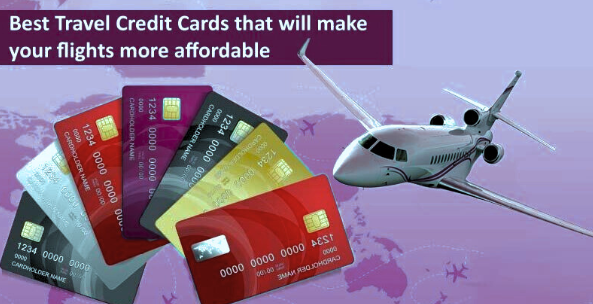
Example: Credit card cashback programs incentivize spending while boosting merchant profitability.
Coalition Programs
Multiple brands collaborate on a shared loyalty platform, broadening appeal and increasing cross-purchase opportunities.
Example: Air Miles and Nectar allow customers to collect points from different retailers, creating stronger engagement.
How to Design Loyalty Programs That Drive Profitable Pricing
Step 1: Define Clear Objectives
Before launching, businesses must determine whether they want to reduce discounting, increase order value or improve retention.
Step 2: Segment Customers
Not every customer values rewards the same way. Using data-driven segmentation, businesses can customize rewards to deliver the greatest impact.
Step 3: Balance Rewards with Margins
Overly generous rewards can erode profitability. The right mix ensures customers feel valued while protecting margins.
Step 4: Incorporate Non-Monetary Benefits
Not all rewards need to be discounts. Exclusive content, early access or VIP services can improve customer perception without cutting into price outcomes.
Step 5: Use Data Analytics
Track customer behavior to optimize rewards, test pricing strategies and measure long-term impact on profitability.
Measuring the Impact of Loyalty Programs on Price Outcomes
| Metric | Definition | Why It Matters |
| Customer Lifetime Value (CLV) | Total revenue per customer over time | Shows long-term pricing sustainability |
| Average Order Value (AOV) | Average spend per transaction | Indicates upsell effectiveness |
| Retention Rate | % of repeat customers | Demonstrates loyalty strength |
| Discount Reliance | % of sales driven by promotions | Lower reliance means improved price outcomes |
By monitoring these KPIs, businesses can assess whether their loyalty programs are truly driving profitable growth.
Challenges Businesses Face with Loyalty Programs
While loyalty programs can improve price outcomes, they are not without risks.
- Overly complicated reward structures can confuse customers and lead to disengagement.
- Excessive Cost: Generous rewards without profit safeguards can damage margins.
- Lack of Differentiation: Generic programs fail to stand out and won’t reduce price sensitivity.
- Effective communication is vital—customers should clearly understand the steps to earn and redeem rewards.
Successful programs address these pitfalls by prioritizing customer experience alongside profitability.
Future Trends in Loyalty Programs and Pricing
The loyalty landscape continues to evolve. Businesses looking to stay competitive should watch for these emerging trends:
- Personalized Rewards: AI-driven systems that tailor offers to individual preferences.
- Experiential Loyalty: Exclusive experiences instead of discounts to boost perceived value.
- Gamification: Rewarding behaviors beyond purchases, like referrals or social engagement.
- Blockchain Loyalty Tokens: Transparent, transferable rewards that add flexibility.
- Sustainability-Driven Loyalty: Eco-conscious perks that resonate with modern consumers.
These innovations will further enhance customer engagement while continuing to improve pricing outcomes.
FAQ: Loyalty Programs That Improve Price Outcomes
1. What does “improve price outcomes” mean in business?
It refers to maintaining or increasing profitability by making customers less sensitive to price changes and allowing businesses to sustain margins without heavy discounting.
2. How do loyalty programs reduce discount dependency?
Instead of broad discounts, businesses offer targeted rewards, meaning only engaged customers receive benefits while overall margins remain intact.
3. Can small businesses use loyalty programs effectively?
Yes. Even simple stamp cards or app-based point systems can keep customers returning and reduce price sensitivity.
4. Are loyalty programs expensive to run?
They can be but strategic design ensures costs are offset by increased customer retention and spending.
5. Do loyalty programs work in all industries?
Most industries can benefit, though strategies differ. Retail, hospitality, finance and e-commerce often see the strongest results.
6. How do points-based programs differ from tiered loyalty programs?
Points reward frequent purchases while tiered programs reward long-term commitment with progressively better benefits.
7. Do loyalty programs always increase customer lifetime value?
Not always. Success depends on design, execution and customer relevance. Poorly planned programs may fail to improve outcomes.
8. Can loyalty programs justify higher prices?
Yes. Customers often tolerate higher prices if they feel they are gaining rewards, status or exclusive access.
9. How do digital tools enhance loyalty programs?
Mobile apps, personalized emails and AI-driven insights help track behavior and deliver tailored rewards.
10. What trends will shape the future of loyalty programs and pricing strategies?
The future lies in personalization, sustainability and technology-driven rewards that deepen engagement while protecting profit margins.
Conclusion
Loyalty programs are more than just marketing gimmicks they are strategic tools that can improve price outcomes by reducing discount dependency, increasing retention and enhancing customer value. When designed thoughtfully, these programs shift customer focus away from price and toward long-term brand relationships.
Businesses that harness loyalty strategies gain a competitive edge, creating sustainable growth while keeping customers satisfied. If you are ready to optimize your pricing strategies, consider designing or refining a loyalty program that aligns with both customer expectations and business profitability.
- Fare Classes Explained
- Food Review American Airlines Savory Snack Mix
- How To Use Google Flight
- Off Season Destinations With Amazing Savings 2
- When To Book Your Flight For The Lowest Price